The Department of Homeland Security has elevated its threat advisory, and security experts across the nation are urging Americans to remain vigilant. Former DHS senior adviser Charles Marino has warned of a “convergence” of threats ranging from lone wolf actors to organized sleeper cells. FBI Director Kash Patel has mobilized counterterrorism teams nationwide, with Joint Terrorism Task Forces operating around the clock in major cities including Washington D.C., New York, and Los Angeles.
While this news can feel unsettling, the expert consensus remains clear: be alert, not afraid. For homeowners, this is an ideal time to review and strengthen your home security posture—not out of panic, but as part of responsible preparedness. This guide will walk you through practical, actionable steps to protect your home and family during periods of elevated security concern.
Understanding the Current Threat Landscape
Before diving into protective measures, it’s important to understand what security professionals are actually concerned about. The current elevated threat level reflects several converging factors:
Soft Target Awareness: Security experts have identified crowded public spaces as potential areas of concern. This includes concerts, sporting events, shopping centers, and large public gatherings. The upcoming World Cup 2026, which has been designated a National Special Security Event, underscores the heightened attention being paid to venue security.
Cyber Threats: The threat landscape isn’t limited to physical security. Intelligence agencies have detected Iranian-affiliated hackers probing American systems, meaning your home network and digital life deserve attention alongside your physical security measures.
The Importance of Perspective: It’s crucial to recognize that elevated threat warnings are precautionary measures designed to improve coordination among law enforcement and encourage public awareness. They don’t mean an attack is imminent—they mean officials are taking proactive steps to protect the public.
Home Security Assessment: Starting with the Basics
An elevated threat environment is an excellent opportunity to conduct a thorough assessment of your home security fundamentals. Think of this as a “security audit” for your residence.
Physical Entry Points
Walk the perimeter of your home and evaluate each potential entry point:
-
Doors: Are your exterior doors solid core or reinforced? Do they have deadbolts with at least a one-inch throw? Consider upgrading strike plates with three-inch screws that anchor into the door frame studs.
-
Windows: Check that all windows lock properly. Ground-floor windows deserve extra attention—consider reinforced glass film or window security bars for basement windows. Even simple window sensors can alert you to unexpected entry.
-
Garage: The garage door is often the weakest entry point. Ensure your automatic opener has rolling code technology, and don’t forget about the door connecting your garage to your home—it should be as secure as your front door.
-
Sliding Doors: These are notoriously vulnerable. At minimum, use a security bar in the track. Better yet, install a secondary locking mechanism and consider glass break sensors.
Lighting and Visibility
Criminals prefer to operate in darkness and out of sight. Proper lighting serves as both a deterrent and a practical safety measure:
-
Motion-Activated Lights: Install these at all entry points, along walkways, and in side yards. Modern LED options are energy-efficient and provide bright illumination.
-
Landscape Maintenance: Trim bushes and hedges near windows and doors. You want clear sightlines from the street and from inside your home to exterior areas.
-
Timer-Controlled Interior Lights: When you’re away, lights on timers create the appearance of occupancy. Smart lighting systems can vary the timing to appear more natural.
Alarm and Monitoring Systems
If you don’t have a security system, now is the time to consider one. If you do, make sure it’s optimized:
-
Professional Monitoring: Systems with 24/7 monitoring provide an extra layer of response capability. In an emergency, dispatchers can contact authorities even if you can’t.
-
Entry Sensors: Ensure all doors and accessible windows have sensors. Test them regularly—a sensor that doesn’t work provides false confidence.
-
Security Cameras: Modern systems are affordable and can be self-installed. Position cameras at entry points and in areas with high-value items. Cloud backup ensures footage is preserved even if the camera is damaged.
-
Smart Doorbells: Video doorbells let you see who’s at your door from anywhere and maintain a record of visitors.
Cyber Security: Protecting Your Digital Home
Modern home security isn’t just about locks and alarms—it’s about protecting your digital infrastructure. With state-sponsored hackers probing American systems, your home network deserves attention.
Network Security Fundamentals
-
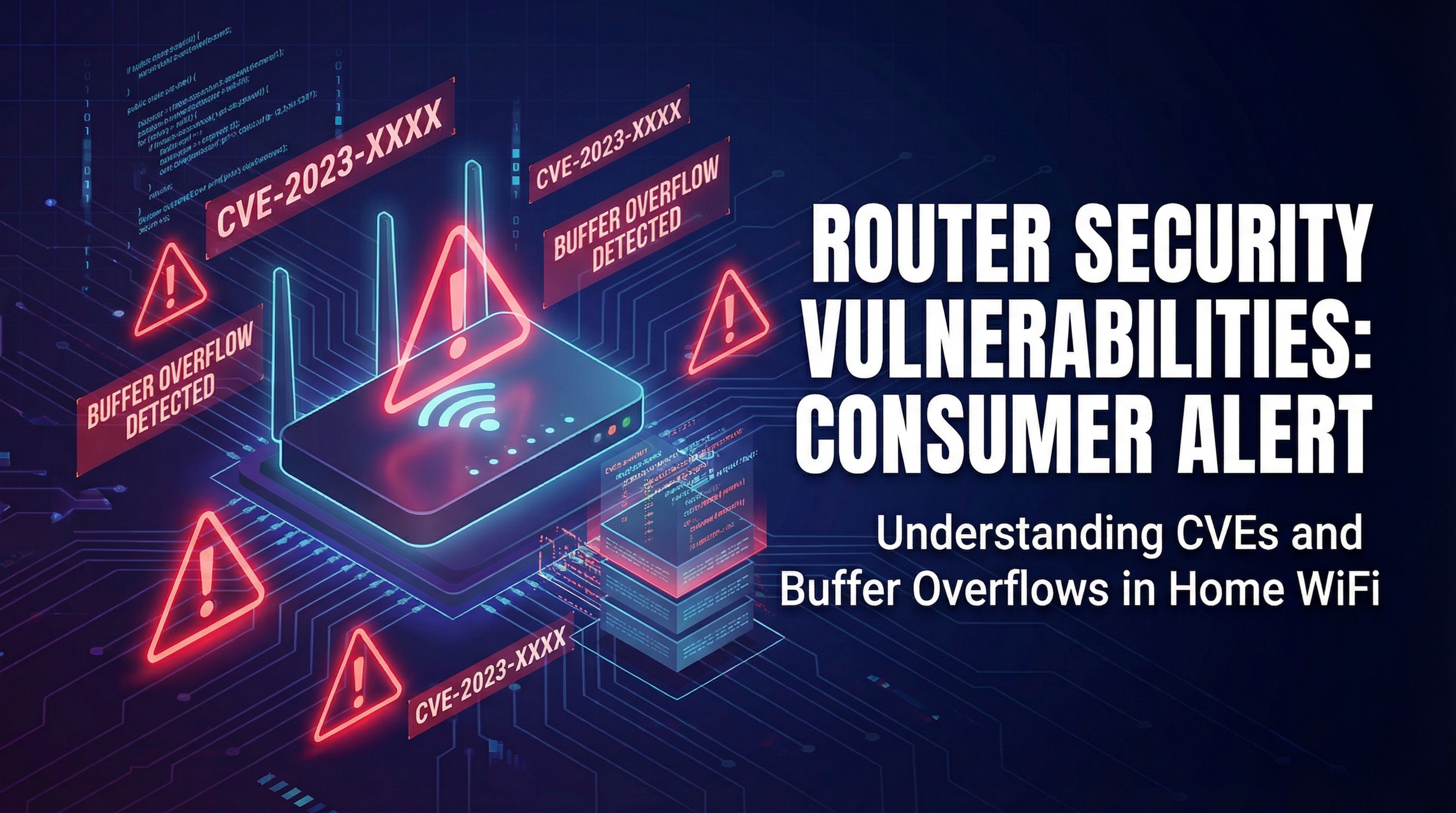
Router Security: Change default passwords on your router immediately. Use WPA3 encryption if available, or at minimum WPA2. Update your router’s firmware regularly.
-
Strong, Unique Passwords: Use different passwords for every account. A password manager makes this practical. Enable two-factor authentication wherever it’s offered, especially for email, banking, and social media.
-
Network Segmentation: Many modern routers support guest networks. Put IoT devices (smart TVs, security cameras, thermostats) on a separate network from your computers and phones. This limits damage if one device is compromised.
Smart Home Security Considerations
-
IoT Device Updates: Smart home devices need regular updates. Set them to update automatically when possible, or check monthly.
-
Camera Security: If you use internet-connected security cameras, ensure they have strong passwords and encrypted connections. Regularly check for firmware updates.
-
Voice Assistant Privacy: Consider what commands voice assistants will respond to from outside your home. Disable features like unlocking doors via voice, or require PIN confirmation.
Recognizing Social Engineering
During elevated threat periods, be especially vigilant about:
-
Phishing Emails: Don’t click links in unexpected emails, even if they appear to be from legitimate organizations. Navigate directly to websites instead.
-
Phone Scams: Government agencies rarely call demanding immediate payment or personal information. When in doubt, hang up and call the official number directly.
-
Social Media Awareness: Be cautious about sharing travel plans or indicating when your home will be empty.
Emergency Preparedness: Beyond Security
True home security during uncertain times extends beyond preventing intrusion—it means being prepared for various emergency scenarios.
Essential Supplies
Maintain supplies to sustain your household for at least 72 hours:
- Water: One gallon per person per day
- Non-Perishable Food: Focus on items that don’t require cooking or refrigeration
- Medications: Keep a 30-day supply of essential medications when possible
- First Aid Kit: Well-stocked and regularly refreshed
- Flashlights and Batteries: Or hand-crank alternatives
- Portable Phone Chargers: Fully charged power banks
Cash on Hand
In a significant emergency, electronic payment systems may be unavailable. Keep a reasonable amount of cash at home in small denominations. The exact amount depends on your circumstances, but enough to cover several days of basic necessities is prudent.
Communication Plan
Ensure your family has a plan for various scenarios:
- Meeting Points: Designate both a nearby location (end of the driveway, neighbor’s house) and a more distant location (specific relative’s home, community center)
- Out-of-Area Contact: Choose a relative or friend outside your immediate area as a central contact point. Sometimes long-distance calls work when local circuits are overloaded.
- Device-Independent Contacts: Make sure key phone numbers are written down, not just stored in phones
Important Documents
Keep copies of essential documents in a waterproof, fireproof container or safe deposit box:
- Identification (passports, birth certificates, driver’s licenses)
- Insurance policies
- Property deeds and vehicle titles
- Medical records and vaccination information
- Bank account information
Situational Awareness: When You’re Away from Home
Home security extends to how you conduct yourself when traveling or attending public events.
Attending Public Events
When you attend concerts, sporting events, or other large gatherings:
- Know Your Exits: Upon arrival, identify at least two exit routes. This is basic fire safety advice that applies equally to any emergency.
- Avoid Bottlenecks: Position yourself away from main entrances and choke points when possible.
- Trust Your Instincts: If something feels wrong, leave. It’s better to miss part of an event than to ignore genuine warning signs.
- Stay Aware: Limit alcohol consumption and stay off your phone enough to maintain awareness of your surroundings.
Travel Security
- Home Appearance: Don’t let mail and packages accumulate. Ask a neighbor to collect them or use USPS hold mail and package locker services.
- Social Media Silence: Post vacation photos after you return, not during your trip.
- Hotel Security: Use all available locks. Don’t open the door without verifying who’s there.
Community Awareness: Your Extended Security Network
One of the most effective security measures isn’t technology—it’s community.
Neighborhood Watch Principles
- Know Your Neighbors: Establish relationships with those around you. Exchange contact information for emergencies.
- Establish Communication Channels: Group text threads, neighborhood apps like Nextdoor, or even a simple email list can help share information about suspicious activity.
- Look Out for Each Other: Notice when neighbors are traveling and keep an eye on their property.
What to Report and When
Understanding what constitutes suspicious activity helps you be an effective community member without becoming paranoid:
Do Report:
- Abandoned vehicles or packages in unusual locations
- People photographing or taking notes on security features, utility infrastructure, or emergency response capabilities
- Someone attempting to access secured areas without apparent authorization
- Unusual surveillance of public buildings, transportation hubs, or crowded venues
- Actual crimes in progress—always call 911
How to Report:
- Emergencies: Call 911
- Non-emergency suspicious activity: Local police non-emergency line or the FBI’s tip line (tips.fbi.gov)
- Cyber incidents: Report to IC3.gov (FBI’s Internet Crime Complaint Center)
Remember:
- Report what you see, not what you assume. Provide factual descriptions: physical appearance, vehicle descriptions, license plates, direction of travel.
- Don’t confront suspicious individuals—observe from a safe distance and report to authorities.
Maintaining Perspective: Alert, Not Afraid
As you implement these recommendations, keep the experts’ guidance in mind: be alert, not afraid. The goal of preparedness isn’t to live in fear—it’s to reduce anxiety by taking practical action.
Consider these perspective-maintaining points:
- Millions of Americans go about their daily lives safely every day, even during elevated threat periods.
- Law enforcement is working actively to identify and prevent threats before they materialize. The elevated advisory itself reflects this proactive posture.
- Preparedness reduces anxiety. When you know your home is secure, your family has a plan, and you’re paying appropriate attention to your surroundings, you can live more freely, not less.
- Community connection is protective. Knowing your neighbors and being part of a watchful community creates real security—and it also builds relationships that make daily life richer.
Conclusion: Preparedness as Peace of Mind
The current elevated threat advisory is a reminder to take home security seriously—but it’s a reminder, not an alarm. By conducting a thorough security assessment, strengthening your physical and cyber defenses, preparing for emergencies, practicing situational awareness, and engaging with your community, you’re taking meaningful action that serves you regardless of the external threat environment.
These aren’t measures you implement in panic and abandon when the news cycle moves on. They’re foundational practices for responsible homeownership in the modern era. An elevated threat advisory is simply a good prompt to review and improve them.
Stay aware. Stay prepared. And go about living your life with confidence, knowing you’ve taken prudent steps to protect what matters most.
For more home security guides and smart home safety tips, explore our other articles on securing your IoT devices, choosing the right security system, and building a family emergency plan.